- Nurse Practitioner–led
- In Calgary since 2015
- Free 15-minute cosmetic consultationsFree consultations
- 2025 BNS Best in Business
What is electrocautery?
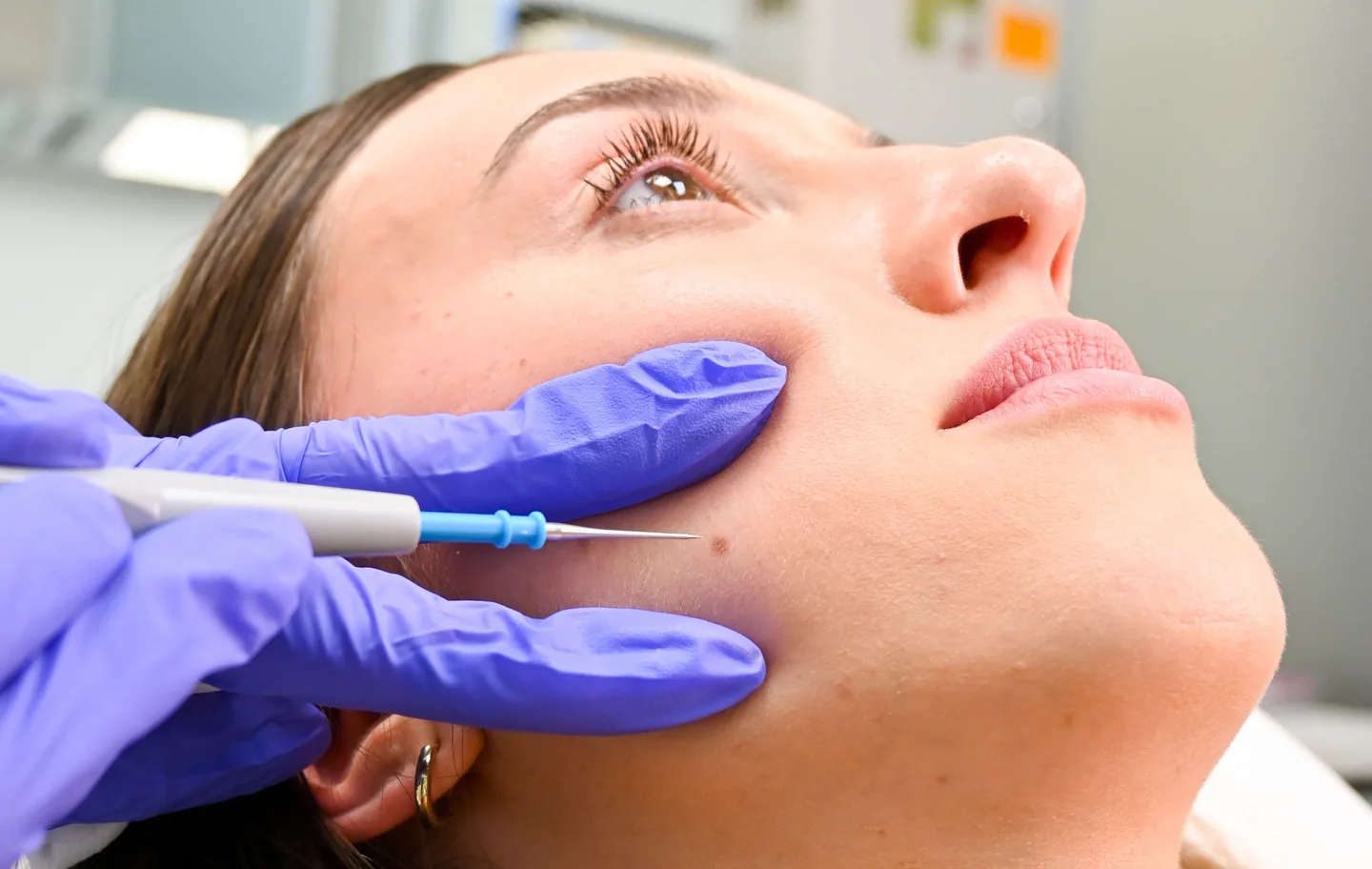
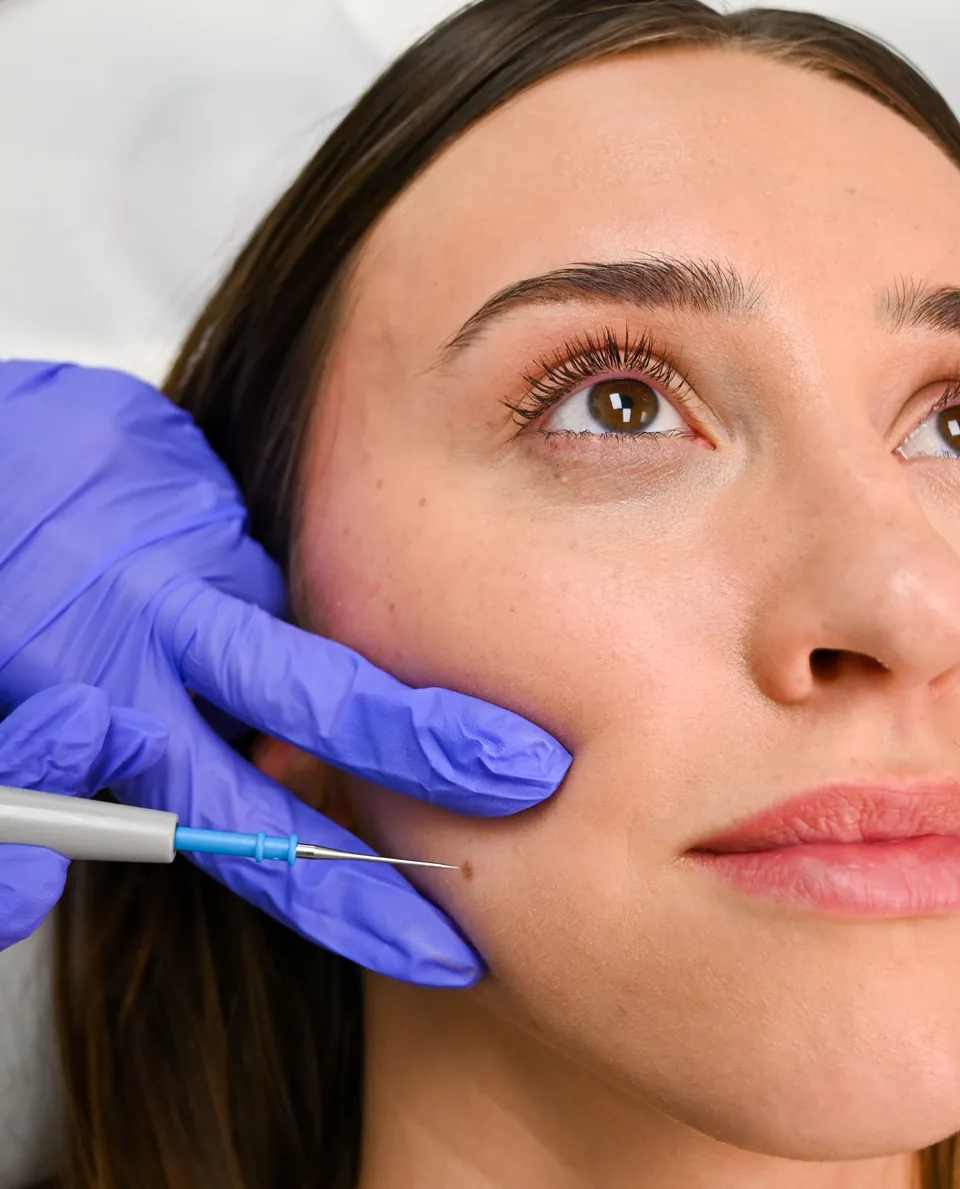
Electrocauterization is a procedure that uses an electric current to remove damaged or infected tissue, or to manage bleeding in tiny blood vessels. Moles, milia, warts, skin tags, angiomas, broken blood vessels (telangiectasia) and sebaceous hyperplasia (enlarged oil glands) can detract from the skin’s smooth surface and clear complexion.
If there is any question as to the status of a mole, you will be referred to your family doctor or dermatologist for assessment.
Not sure this is the right treatment?
Every plan starts with a medical consultation, with a $50 deposit that goes toward your treatment. How a consultation works
What it treats
- Moles
- Skin tags
- Milia
- Warts
- Angiomas
- Broken blood vessels (telangiectasia)
- Sebaceous hyperplasia (enlarged oil glands)
What patients say
A safer approach
“She advised against a cortisone injection since it wasn’t the right fit and recommended a safer approach, which I really appreciated.”
Keloids
“I had been struggling with keloids for a long time and honestly did not expect them to be curable (especially on the chest area). Michelle made it possible.”
2 sessions
“After many (painful) attempts to remove at my dr clinic I tried their swift method. No pain, no downtime and already 2 sessions they are almost gone.”
24 hours
“The appointment time was convenient & got in right away to have a pimple injected. 24hrs later & it was completely gone.”
What to expect
Consultation
The Nurse Practitioner assesses the lesion. If there is any question as to the status of a mole, you are referred to your family doctor or dermatologist.
Anaesthetic
A local anaesthetic is applied topically or injected to minimize discomfort.
Treatment
An electric current removes the tissue. Some bleeding may occur from the anaesthetic injection and occasionally from the cautery itself, and is addressed at the time.
Healing
Crusting over the treated area falls off naturally over 3 to 7 days. Swelling, blistering, scabbing or flaking may take 1 to 3 weeks to heal, and the surface may be pink or sensitive to the sun for a further 2 to 6 weeks or longer.
FAQ
Will it hurt?
Some discomfort may be experienced during treatment. A local anaesthetic is applied topically or injected to minimize pain.
How long does it take to heal?
Crusting falls off naturally over 3 to 7 days. Swelling, blistering, scabbing or flaking may take 1 to 3 weeks to heal, and the surface may stay pink or sun-sensitive for another 2 to 6 weeks or longer.
Will it scar?
Scarring is a possibility whenever a treatment disrupts the skin’s surface. Following the post-treatment instructions carefully, and not picking the scab, minimizes the chance.
Can any mole be removed?
If there is any question as to the status of a mole, you will be referred to your family doctor or dermatologist for assessment first.